Tips and Tricks for Growing Bougainvillea
Mention bougainvillea to almost anyone, and their first image may be of sun-drenched stucco walls decorated with the neon colors of the tropics. From the seaside to the desert to the lush tropics, their exotic vibe proclaims, “I love warm weather!” In the relatively small family Nyctaginaceae, Bougainvillea is probably the best known member, with Mirabilis (four hours) and Abronia (sand verbena) being the second best. In bougainvillea, the color is provided by papery bracts that enclose a small white flower which is the true flower. Flowering occurs in cycles: when a new shoot reaches maturity, a flowering cycle begins, repeating several times over the course of a long warm season. Learn the basics of growing bougainvillea here.
Bougainvillea Basics at a Glance
Areas: 9–11
Light: Minimum of half a day of sun (4 to 6 hours); full sun for best color
Ground: Well drained
Humidity: Infrequent and deep watering
Fertilizer: Minimal except in containers
Give bougainvillea plenty of warmth and sun
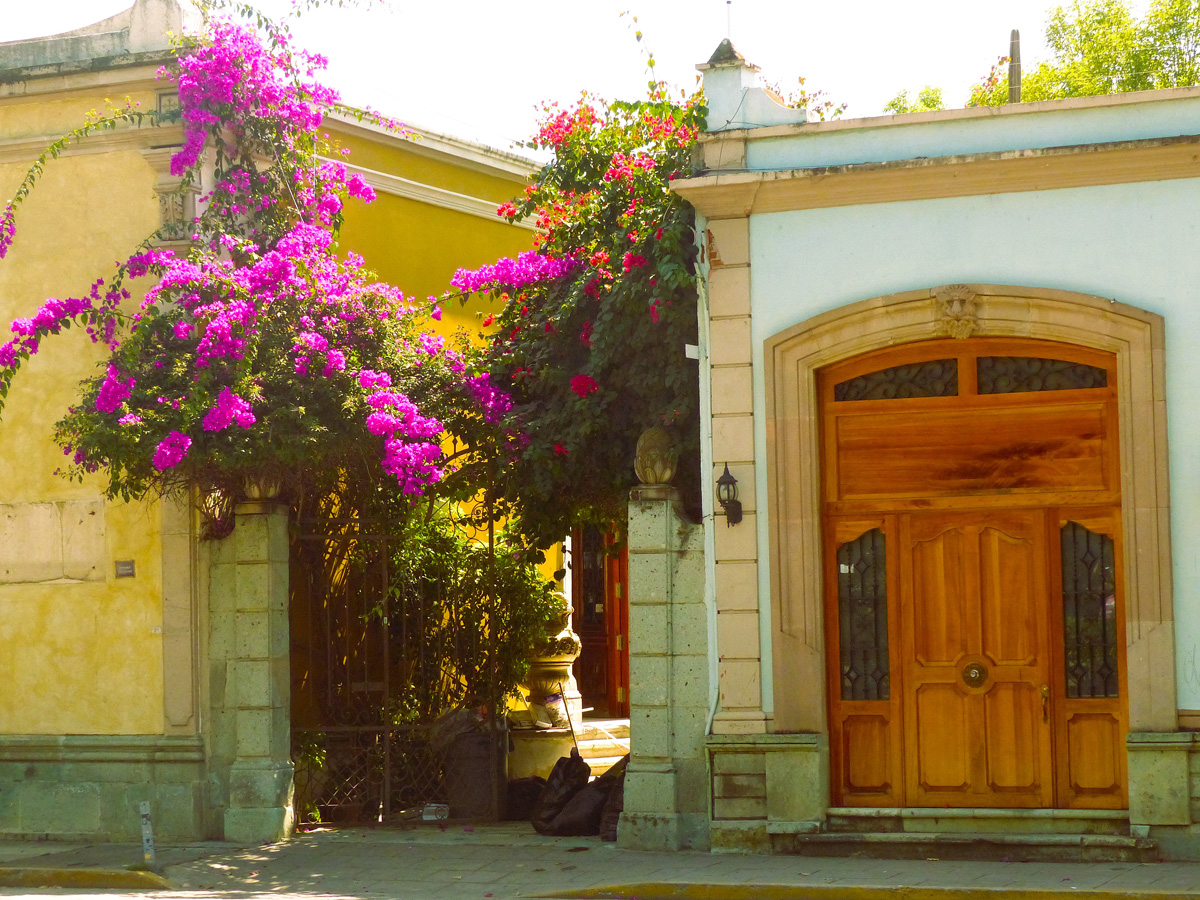
The many brilliant species and hybrids we enjoy today all have their origins in the tropical regions of South America, particularly Brazil, Argentina, and Peru. They have made their way throughout the tropical and subtropical world, and hundreds of selections have been made from Mexico to Thailand. That they can thrive so well in the Southwest is no surprise. Candles not only tolerate heat, they love it, and even in our deserts, the heat reflected off stone and concrete is tolerated without issue. They flower readily with a half-day of sun, but full sun brings out their most vibrant hues. Once established, minimal irrigation is necessary, with the plants preferring an occasional deep soaking and a thorough drying in between. Fertilizer is rarely necessary unless grown in containers.
Varieties come in all shapes and sizes
|
|
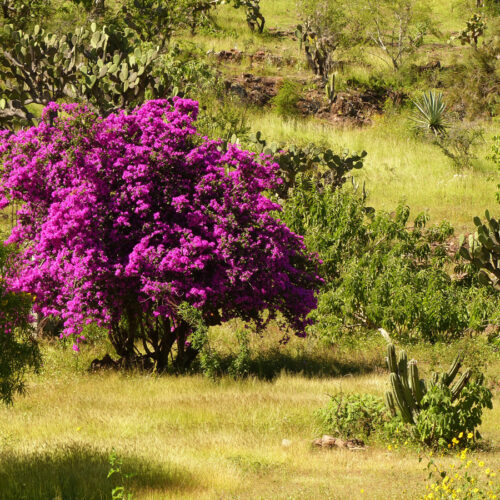
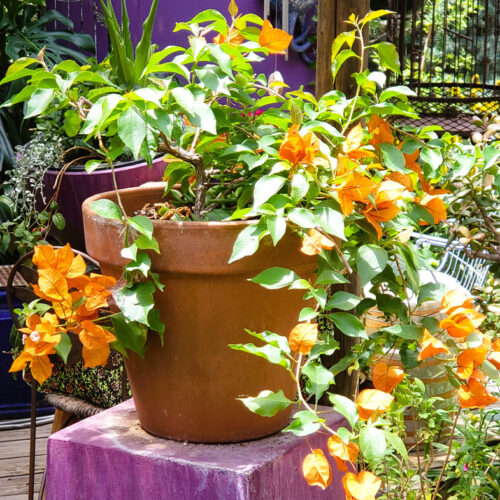
Bougainvillea comes in tall, vigorous forms as well as more manageable shrub forms. As climbing shrubs, they do not twine or cling; instead, they lodge securely into the structure of adjacent plants with their sturdy thorns. This can make pruning difficult, with gloves and long sleeves required. A sturdy structure or tree trunk is essential if height is desired. Shrub forms are easier to work with in smaller settings. Alternatively, candles also thrive in containers and hanging baskets. This makes them easier to move out of harm’s way into a garage or other protected location when frost threatens. It is important to note, however, that with limited root zones, they will still need regular watering and fertilizing in containers.
Be aware of cooler temperatures and provide protection if necessary
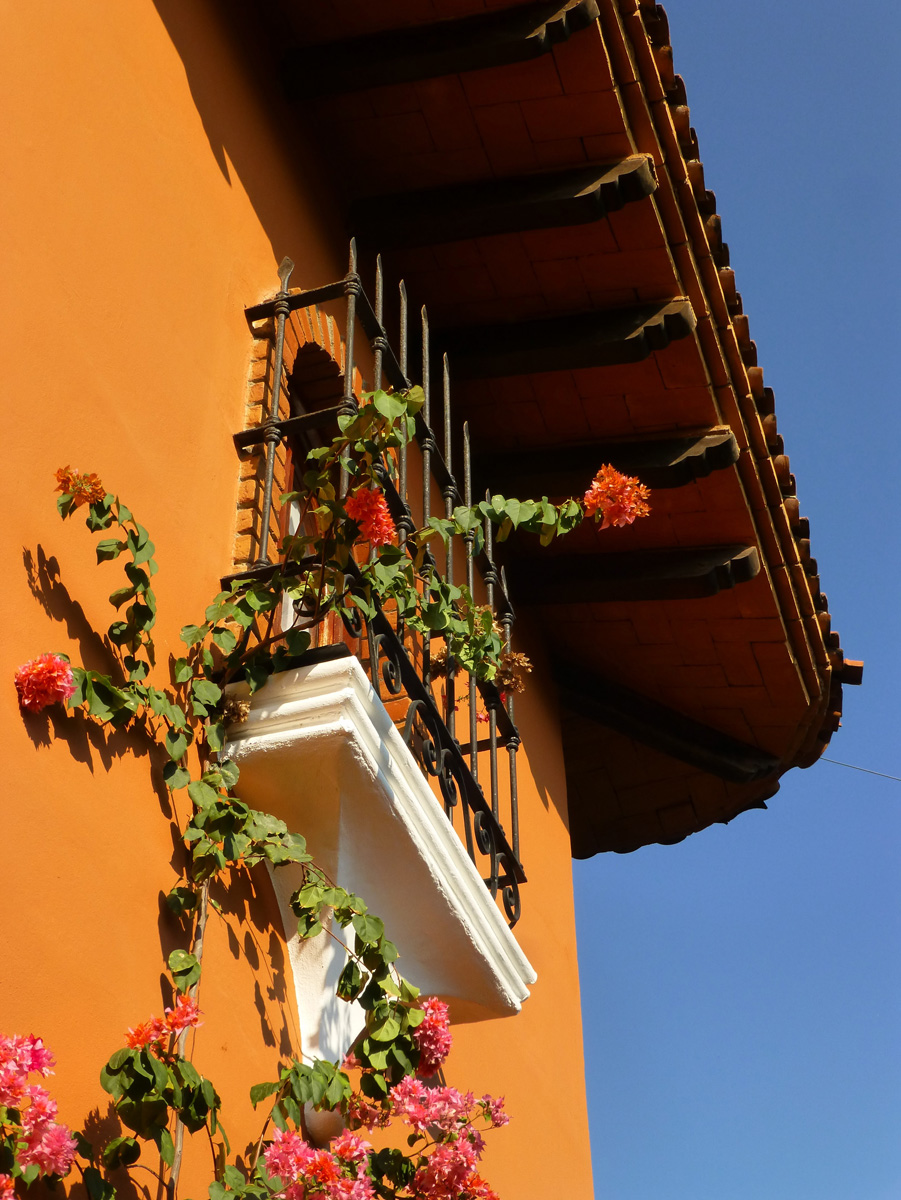
Bougainvillea is often recommended as a hardy plant in zones 9 through 11. In the warmer zones of the Southwest (zones 10 and above), they establish quickly and require no maintenance. Tall cultivars easily reach the eaves of a house (and higher) and cascade freely over walls and structures. Below zone 10, where there is a regular risk of occasional frost damage in winter, they are generally grown as fence-height shrubs. On cold nights below 30°F, shrubs should be well covered to the ground with fabric (sheets, blankets—never plastic!) to prevent damage. Leave the covers on throughout the cold weather to retain heat during the day.
In the event of a severe frost, most plants will still be root hardy down to about -2°C (-3°F). Stems may be killed right down to the base and rejuvenation pruning will be necessary in the spring. Wait until new growth begins to appear on the lower stems to know how far back to prune. Even then, watch for late frosts which can damage these tender shoots.
The best varieties of bougainvillea
The cultivar choices for this group of plants are numerous, in almost every color except true blue. Here are some of my favorites:
Discuss this and any other gardening topic on our South West Gardening Forum.
For more plants that thrive in warm weather:
Heat-loving plant
Plants for a Hellstrip
Plants for dry and hot areas of the garden
Find more information about South West gardening here.
Dan Johnson lives and gardens in Denver, Colorado, and Tucson, Arizona. He is the assistant director of horticulture at the Denver Botanic Gardens.
Photos: Dan Johnson
2024-07-17 12:20:40
All Articles,Plant Type,Specimen/Focal Point,Vines,bougainvillea,growing bougainvillea,how to grow Bougainvillea
https://www.finegardening.com/article/tips-and-tricks-for-growing-bougainvillea